The Hidden Dangers of Batteries: How to Safely Dispose of Them
February 4, 2026
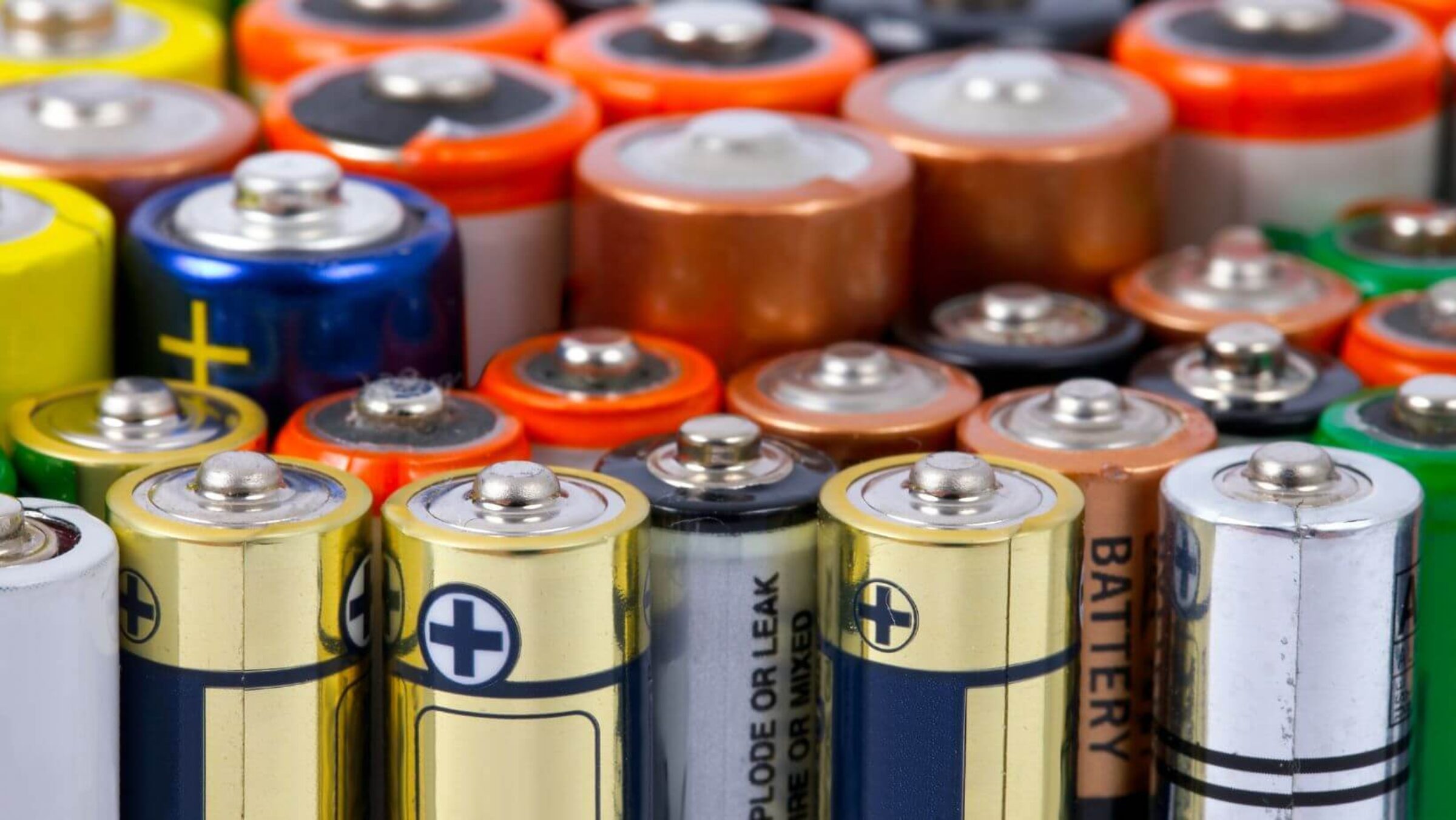
While batteries power nearly every aspect of modern life, the dangers of improper battery disposal are often overlooked. From smartphones and laptops to power tools and children’s toys, today’s devices rely heavily on batteries—especially lithium-ion technology.
When thrown in the trash or curbside recycling bins, batteries pose serious environmental hazards, fire risks, and health dangers due to the toxic chemicals and reactive materials they contain. This updated 2026 guide explains why battery waste requires special handling and outlines safe, responsible disposal methods to protect both your community and the environment.
Battery Anatomy: Why Disposal Matters
Batteries may look simple, but they contain complex chemical components that make them hazardous when damaged or improperly discarded.
Most batteries contain three primary components:
- Cathode – Often made of metal oxides
- Anode – Typically composed of graphite or lithium-based materials
- Electrolyte – A chemical medium that allows ions to flow between electrodes
Many battery types—including lithium-ion, lead-acid, nickel-cadmium, and even some alkaline varieties—contain heavy metals or reactive materials that can leak, ignite, or contaminate soil and water.
As battery usage has increased dramatically over the past decade, so have incidents of landfill and waste facility fires caused by improperly discarded lithium-ion batteries. Proper disposal is no longer optional—it’s essential.
Why Batteries Are Dangerous to the Environment
Batteries contain materials such as:
- Lead
- Cadmium
- Mercury
- Lithium
- Nickel
- Cobalt
When sent to landfills or incinerators, these substances can:
- Leach into soil and groundwater
- Contaminate drinking water supplies
- Bioaccumulate in plants and animals
- Release toxic air pollutants when burned
In addition to chemical contamination, lithium-ion batteries pose a severe fire risk. When crushed or punctured in garbage trucks or processing facilities, they can spark and cause catastrophic fires—putting sanitation workers and facilities at risk.
Proper battery recycling prevents pollution, reduces fire hazards, and protects public health.
How to Properly Dispose of Batteries
Responsible battery disposal is a shared responsibility. Here are the safest and most up-to-date options:
1. Visit a Local Household Hazardous Waste (HHW) Facility
Most communities operate designated Household Hazardous Waste centers that accept:
- Lithium-ion batteries
- Rechargeable batteries
- Lead-acid car batteries
Button cell batteries
Alkaline batteries (in many states)
Check your local municipality’s website for current drop-off hours and accepted materials.
2. Use Retail Take-Back & Recycling Programs
Many national retailers offer convenient in-store drop-off bins for:
- Rechargeable batteries
- Cell phone batteries
- Small electronic devices
These programs ensure materials are handled by certified recycling partners.
3. Follow EPA & State Guidelines
Battery regulations continue to evolve in 2026, with more states strengthening hazardous waste laws due to fire risks. The Environmental Protection Agency (EPA) and state environmental agencies provide updated guidance on:
- Safe storage before disposal
- Transporting damaged batteries
Proper recycling channels
Always follow local and federal guidelines to remain compliant.
Critical Mistakes: What NOT to Do with Batteries
Avoiding these common mistakes can prevent fires, injuries, and environmental damage.
❌ Do NOT Throw Batteries in Household Trash
This is one of the leading causes of waste facility fires nationwide. Batteries can ignite when crushed in garbage trucks or compactors.
❌ Do NOT Place Batteries in Blue Recycling Bins
Curbside recycling systems are not equipped to safely process loose batteries. They can easily spark during sorting.
❌ Never Attempt to Recharge Single-Use Batteries
Recharging non-rechargeable alkaline batteries can cause leakage, rupture, or explosion.
❌ Never Put Batteries in a Paper Shredder
In document destruction environments, it is critical to remove batteries from devices before shredding. Batteries entering shredding equipment can rupture immediately, creating:
- Fire hazards
- Equipment damage
- Chemical exposure risks
Always separate electronic components and batteries before document destruction.
The Benefits of Battery Recycling
Battery recycling plays a vital role in building a circular economy.
Recycling allows recovery of valuable materials such as:
- Lithium
- Nickel
- Cobalt
- Lead
This reduces the need for environmentally destructive mining and conserves natural resources.
Additionally, proper recycling:
- Prevents landfill contamination
- Reduces greenhouse gas emissions
Protects sanitation workers
- Lowers fire risk at waste facilities
Taking a few extra minutes to recycle batteries properly makes a measurable environmental impact.
Protect Your Business and Community
As battery usage increases, so does the responsibility to dispose of them correctly. Whether at home or in the workplace, safe battery management helps prevent fires, environmental damage, and regulatory violations.
Abraham’s Shredding is committed to educating businesses and residents about proper disposal practices and the importance of keeping hazardous materials—like batteries—out of shredding and waste streams.
If your organization handles document destruction or electronics, ensure batteries are removed and properly recycled before shredding.
Let’s work together to create a safer, cleaner future through responsible battery recycling.