Best Practices For Secure Document Destruction In Hybrid Workplace
November 4, 2025
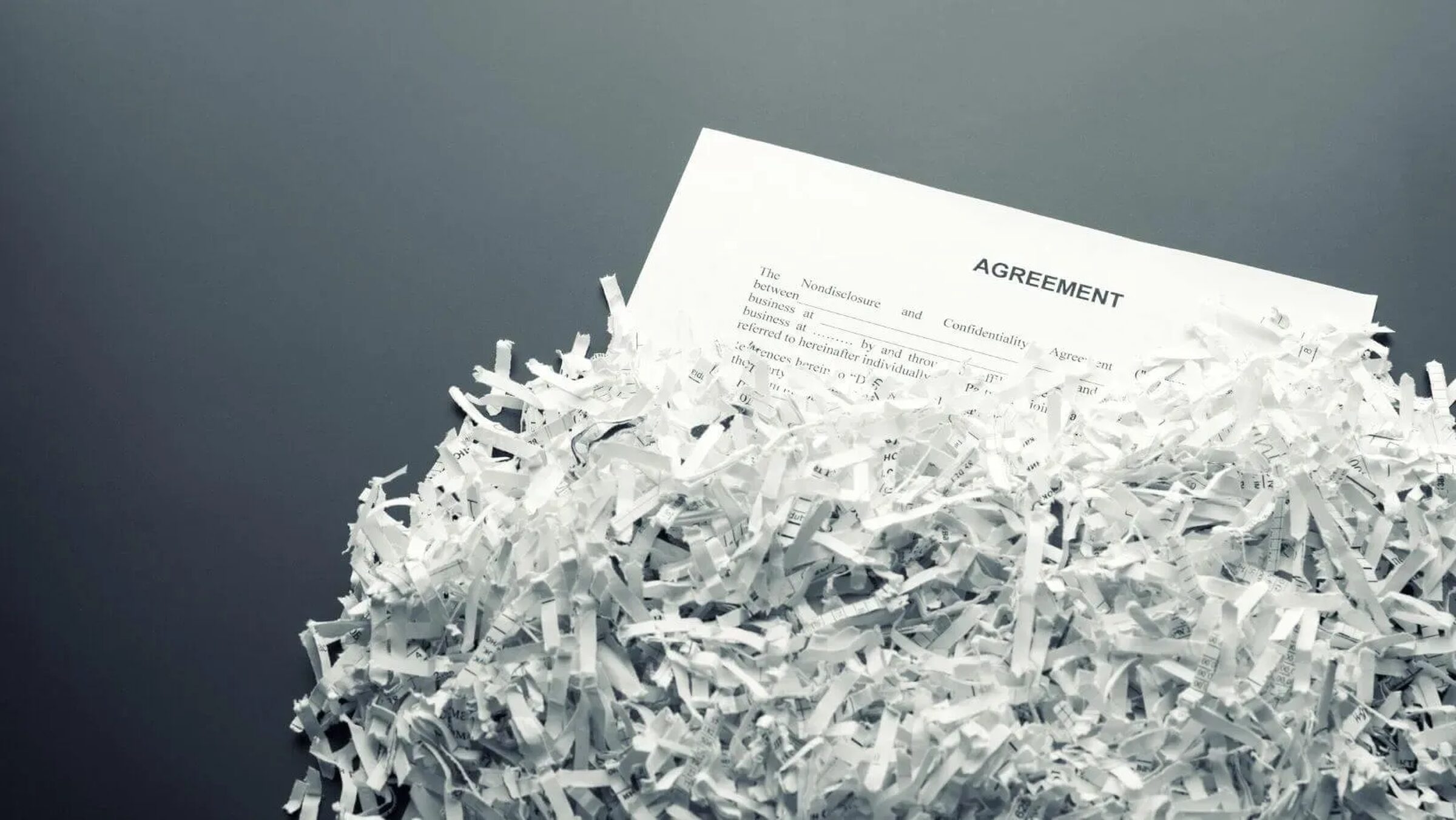
As businesses continue to embrace hybrid work models, employees now split their time between remote locations and on-site offices. While this flexible approach improves work-life balance and operational agility, it also introduces new challenges—particularly when it comes to protecting sensitive information.
Document security can no longer be managed solely within the walls of a traditional office. In a hybrid workplace, businesses must ensure that documents are handled securely wherever work happens. This guide outlines best practices for maintaining document security in a hybrid environment, with a focus on secure document destruction.
Understanding Document Security in a Hybrid Workplace
A hybrid workplace combines in-office and remote work, creating multiple environments where sensitive documents may be accessed, stored, or disposed of. While security protocols are easier to control in a centralized office, they become more complex when employees work from home or other locations.
Any document that leaves the office—whether physical or digital—must be protected to the same standard as those kept on-site. This requires clear policies, consistent processes, and accountability across all work environments.
To achieve this, businesses should establish comprehensive security policies that address both physical and digital document handling, including secure storage, access controls, and proper document destruction.
Best Practices for Secure Document Destruction
To reduce risk and protect sensitive information, businesses should implement the following best practices:
Implement a Document Retention Policy
A document retention policy is the foundation of secure document management. It defines what documents must be retained, how long they should be kept, and when they should be securely destroyed.
By limiting the accumulation of unnecessary or outdated records, businesses reduce exposure to data breaches and simplify compliance efforts—especially in hybrid environments where documents may exist in multiple locations.
Shredding Sensitive Documents
Any physical documents that are no longer needed should be securely shredded. Shredding ensures confidential information cannot be reconstructed or accessed by unauthorized individuals.
This practice should extend beyond the office to remote employees who may handle sensitive documents at home. Clear procedures should be in place for securely returning documents to the office or arranging approved shredding solutions.
One-Time vs. Scheduled Shredding
Businesses can choose between one-time shredding and scheduled shredding services depending on their needs.
One-Time Shredding
Best suited for large-scale cleanouts, end-of-year purges, relocations, or downsizing. This flexible option allows businesses to securely destroy large volumes of documents in a single service.
Scheduled Shredding
Designed for organizations that generate sensitive documents regularly. Lockable containers are placed on-site, and documents are shredded on a recurring schedule—weekly, bi-weekly, or monthly. This ensures consistent security and ongoing compliance.
Both options provide a documented chain of custody and a Certificate of Destruction, helping businesses meet regulatory requirements and maintain accountability. The right choice depends on document volume and how frequently shredding is needed.
Employee Training and Awareness
Employees play a critical role in document security, making education and awareness essential—especially in a hybrid setting. Without proper training, even well-designed security policies can fail.
Effective training should include:
- Clear explanations of document retention and destruction policies
- Real-world examples of data breach risks
- Guidance on handling documents while working remotely
- Regular refreshers to keep security practices top of mind
Empowered, informed employees are one of the strongest defenses against data mishandling.
Compliance and Regulations
Compliance with data protection laws remains mandatory regardless of where employees work. Regulations governing sensitive information require businesses to maintain strict controls over document handling and destruction.
In a hybrid workplace, compliance becomes more complex due to multiple work locations. Strong policies, consistent enforcement, and professional shredding services help ensure sensitive information is protected at all times and that businesses avoid fines, legal exposure, and reputational harm.
Technology Solutions for Secure Document Disposal
Technology plays a key role in securing documents within a hybrid environment. Encryption, password protection, and role-based access controls help safeguard digital records.
For physical devices, professional hard drive destruction is essential. Certified destruction services ensure that digital data stored on hard drives and electronic media is permanently destroyed and unrecoverable—eliminating risk when equipment is retired or replaced.
Conclusion
As hybrid work becomes the norm, secure document destruction is more important than ever. By understanding the unique risks of a hybrid workplace and implementing clear policies, secure shredding solutions, and employee training, businesses can protect sensitive information and remain compliant.
Partnering with Abraham’s Shredding provides confidence that document disposal is handled securely, professionally, and in compliance with all applicable regulations.
Contact us today to learn more about tailored shredding solutions designed to support your hybrid workplace.