Document Destruction Chain of Custody: The Difference Between Assumption and Proof
February 10, 2026
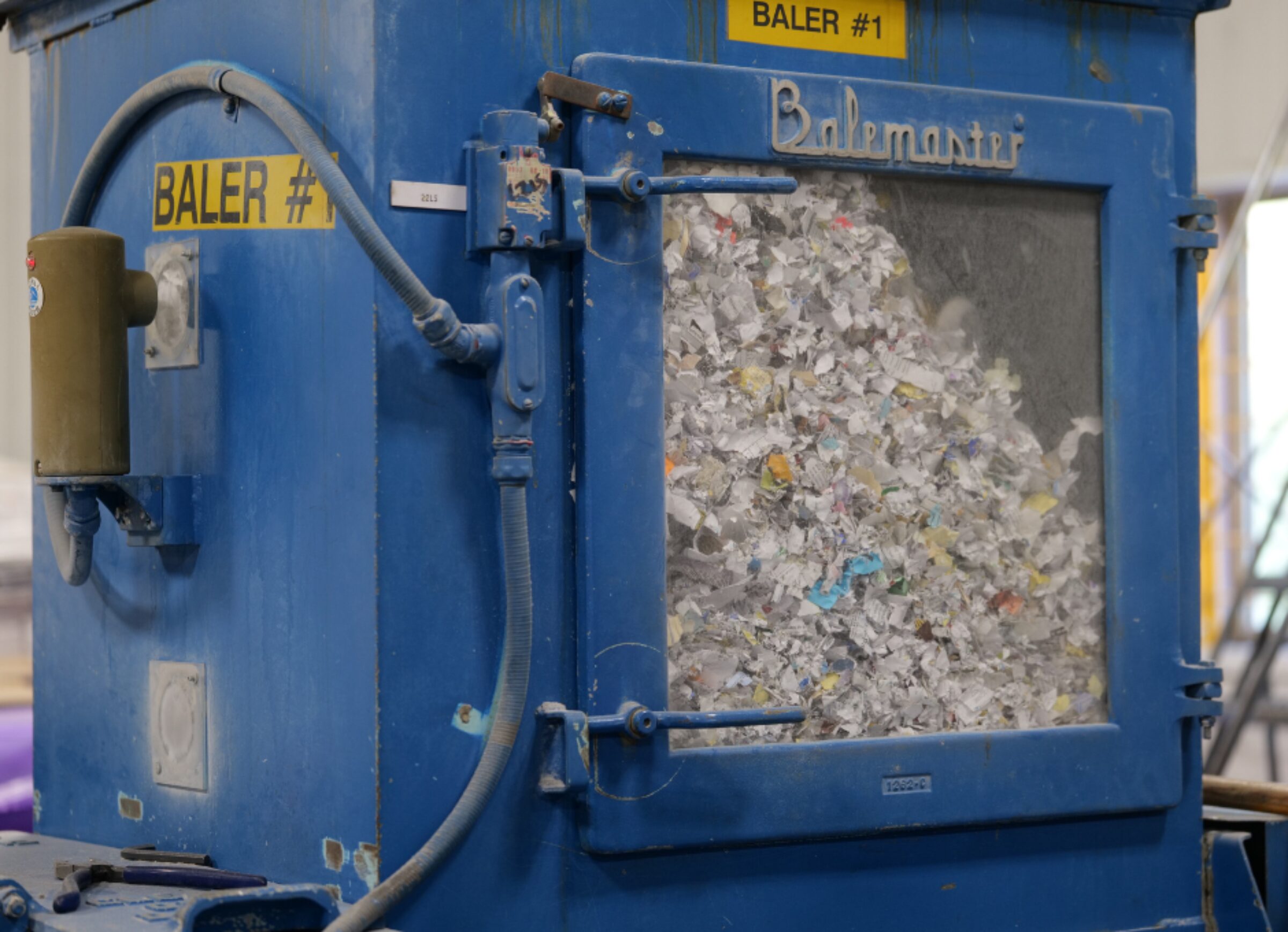
Most companies would have a difficult time clearly explaining how their documents are handled from the moment they are set aside for secure document shredding to the moment they are fully destroyed.
The reality is that responsibility does not start at pickup. It starts the moment a document is no longer needed but still exists. From that point forward, every step in the process either maintains control or weakens it.
Chain of custody is not just about what happens after documents leave your building. It includes how they are stored, who has access to them, and how they move before they are ever collected.
If the early steps are not controlled, the rest of the process cannot correct it.
What Document Destruction Chain of Custody Actually Means
Chain of custody is the ability to track and account for documents from the moment they are set aside for destruction until they are fully destroyed and no longer recoverable. It requires clarity at every step, including who handled the materials, where they were held, and what procedures were followed.
When those elements are defined and consistently followed, the process remains controlled. When they are not, the organization is relying on assumption rather than visibility.
What That Looks Like in the Real World
In practice, documents rarely move directly from a desk to destruction. Instead, they pass through multiple stages, each introducing opportunities for variation.
Materials may sit longer than intended in offices or storage areas. Access to collection containers may extend beyond those who actually need it. Documents are often handled by more than one person before they are ever picked up. Once collected, they are transported, consolidated, and processed alongside other materials.
It is within these transitions that processes begin to break down.
When documents are left unsecured, when access is not clearly defined, or when materials are combined without oversight, the ability to correct a mistake becomes limited. Once documents are mixed into larger volumes and moving through a system, isolating or recovering them is no longer realistic.
For that reason, structure before destruction is just as important as the destruction process itself.
Standards from the International Secure Information Governance & Management Association (formerly NAID), including NAID AAA certification requirements, emphasize controlled handling, restricted access, and verified destruction as core components of a secure process.
Where Problems Actually Occur in the Shredding Process
There is a common assumption that the primary risk lies in the act of shredding. In reality, shredding is typically the most controlled part of the process.
The greater risk exists in the steps leading up to it.
Documents that remain accessible longer than intended, containers that are not properly secured, and materials that move without clear accountability create conditions where mistakes can occur. In many cases, there is also no clear verification that the process was completed as expected.
The Federal Trade Commission makes it clear that organizations are responsible for protecting sensitive information during disposal. That responsibility applies to how documents are handled throughout the entire process, not just at the point of destruction.
Why Secure Document Destruction Matters More Now
Offices are printing less than they once did, but the documents that remain in paper form tend to carry more significance.
Financial records, employee information, and legal documents are more likely to be retained physically, which means each document represents a higher level of risk. While overall volume may be lower, the sensitivity of the material has increased. Working with a certified professional shredding service ensures those higher-risk documents are handled with the controls they require.
This shift makes consistency and control more important, not less.
How to Evaluate Your Document Shredding and Destruction Process
A useful way to assess your current approach is to consider whether you can clearly explain each step in your document destruction process.
This includes where documents are stored before pickup, who has access to them, how they are transported, what occurs during destruction, and how completion is verified.
If any part of that process is unclear or inconsistent, it represents a point where risk can accumulate.
Certificate of Destruction: Why Verification Is the Difference
At the end of a controlled process, there should be clear documentation confirming that destruction was completed. This is typically provided in the form of a Certificate of Destruction.
That documentation serves as confirmation that the process was followed and that the materials are no longer recoverable. Without it, organizations are left relying on assumption rather than confirmation.
The Bottom Line on Document Chain of Custody
Chain of custody is not an added feature or an optional layer of security. It is the structure that ensures documents are handled consistently from start to finish.
It is the difference between knowing what happened and hoping it was handled correctly. If your organization is looking for a trusted document shredding and destruction partner, Abraham’s Shredding provides the accountability and verified process your sensitive materials require.