Cybersecurity Doesn’t End When You Stop Using a Device
October 13, 2026
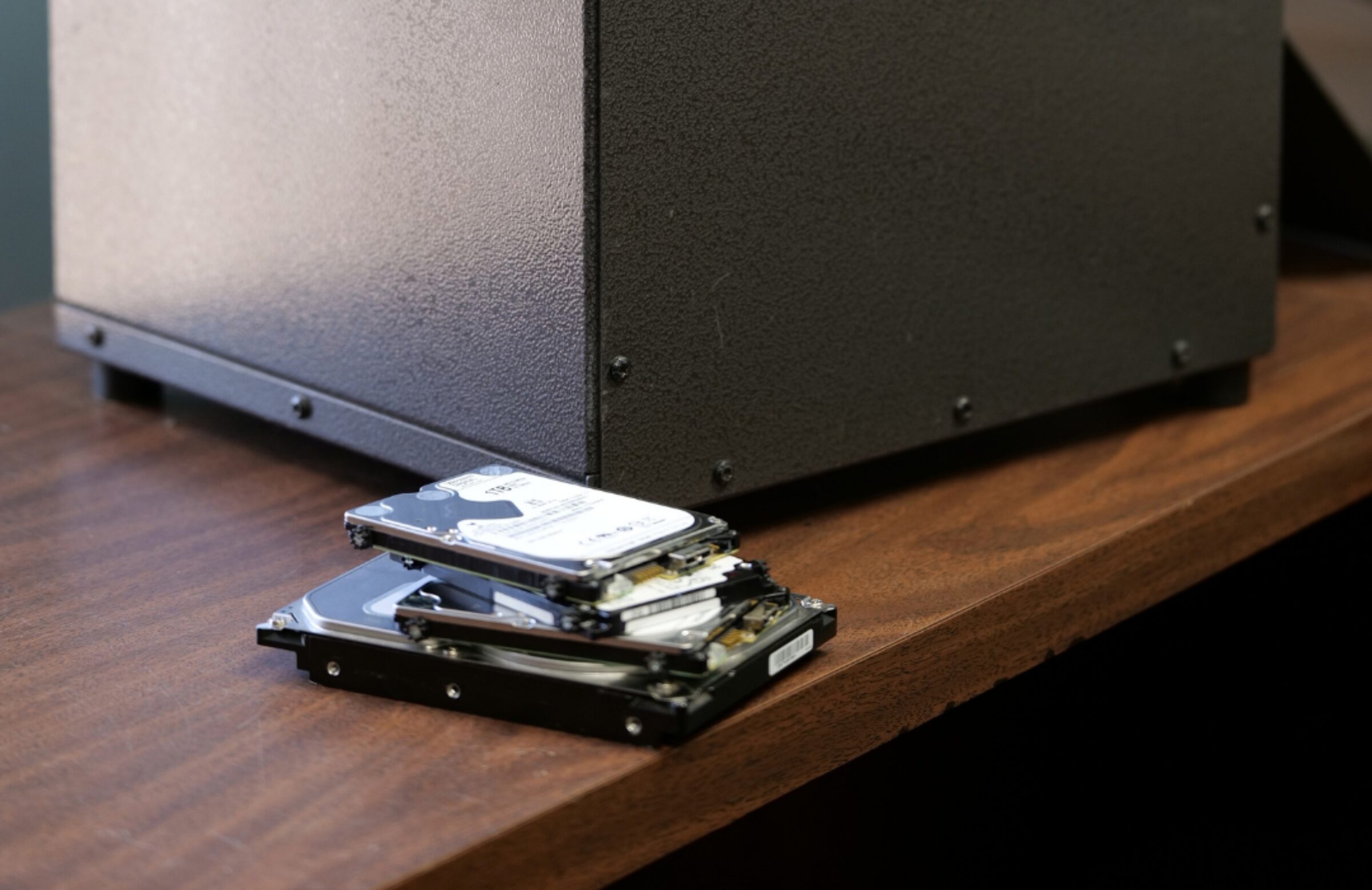
A powered-off computer or disconnected hard drive isn’t an active cybersecurity threat. The concern is the sensitive information stored on it and who can access that information.
If a device is sold, donated, recycled, or disposed of with sensitive information still recoverable, someone who isn’t authorized to access that information could gain access to it. Businesses have legal responsibilities for protecting certain sensitive information.
What Do Wisconsin and Illinois Laws Require?
Wisconsin: Wisconsin law has specific disposal requirements for financial institutions, medical businesses, and tax preparation businesses handling certain personal information. For information stored electronically, businesses can erase the information, make it unreadable, or take other measures to prevent unauthorized access.
Illinois: Illinois law requires personal information to be made unreadable, unusable, and undecipherable when a device containing that information is disposed of. For information stored electronically, the information can be erased or the storage destroyed so the information cannot practically be read or reconstructed.
Not Every Attempt to Erase Data Actually Erases It
Common attempts to remove information from a device can make the information appear to be gone without securely erasing it.
- Deleting files: Moving files to the Recycle Bin or Trash and emptying it removes your normal access to the files, but some of the underlying information may still be recoverable.
- Reformatting the drive: A quick format prepares the drive to store files again but can leave previously stored information recoverable. Other formatting processes can overwrite the existing information, so the result depends on how the drive was formatted.
- Performing a factory reset: A factory reset returns a device to its original settings. Whether it also securely erases the information depends on the device and how the reset works. A factory reset shouldn’t be assumed to securely erase the information on every device.
Securely Removing Data From a Hard Drive
The entire drive should be securely wiped if a computer or hard drive is going to be reused, sold, or donated.
The method depends on whether the drive is a traditional hard disk drive (HDD) or a solid-state drive (SSD).
- HDDs: Wiping software can overwrite the data stored on the drive with new data. The software can then verify that the overwrite was completed successfully.
- SSDs: Many solid-state drives include a secure-erase or sanitization function designed to remove the data stored on the drive. The instructions for using it vary by manufacturer and model.
Once the data has been securely erased, the equipment can be reused, sold, or donated.
Erase and Reuse or Destroy?
Keeping working electronics in use reduces unnecessary electronic waste. If the electronics don’t work or you want them destroyed, Abraham’s Shredding offers hard drive and electronic destruction and recycling. You do not need to delete files, reformat or wipe drives, or perform a factory reset first.
Hard Drive Destruction
You do not need to remove a hard drive from a computer before bringing it to us. You can bring us the laptop or computer tower, and we can remove the hard drive for an additional charge.
Before destruction, we record each hard drive’s serial number so it can be included on your Certificate of Destruction.
- HDDs: The hard drive is exposed to a powerful magnetic field to erase the information stored on it in a process called degaussing. It is then crushed or bent so it cannot be reused.
- SSDs: The entire SSD is shredded into small pieces using an SSD shredder, a machine specifically designed to destroy flash-type storage.
After destruction, the materials are recycled. You receive a Certificate of Destruction listing the serial numbers of the hard drives that were destroyed.
Other Electronics and Storage Media Destruction
We use various methods to destroy cell phones, tablets, CDs, DVDs, floppy disks, backup tapes, data cartridges, microfilm, and microfiche. After destruction, the materials are recycled whenever possible or properly disposed of. You receive a Certificate of Destruction listing the assets that were destroyed.
Ready to Securely Destroy Your Electronics and Storage Media?
Abraham’s Shredding serves businesses throughout Southeastern Wisconsin and Northeastern Illinois. Contact us to schedule your destruction service.